Radon spring “Alma-Arasan”
Kazakhstan
At a glance
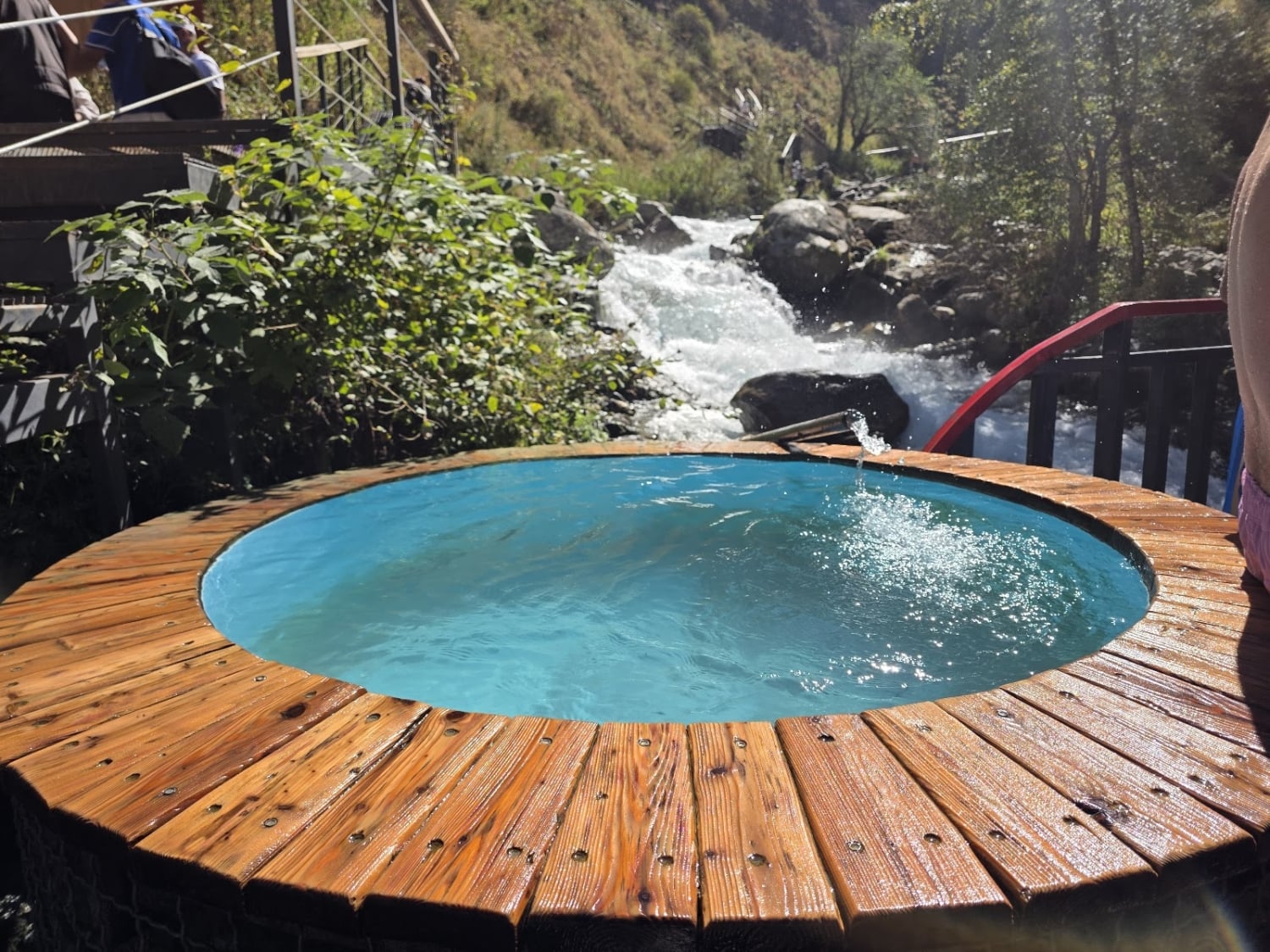
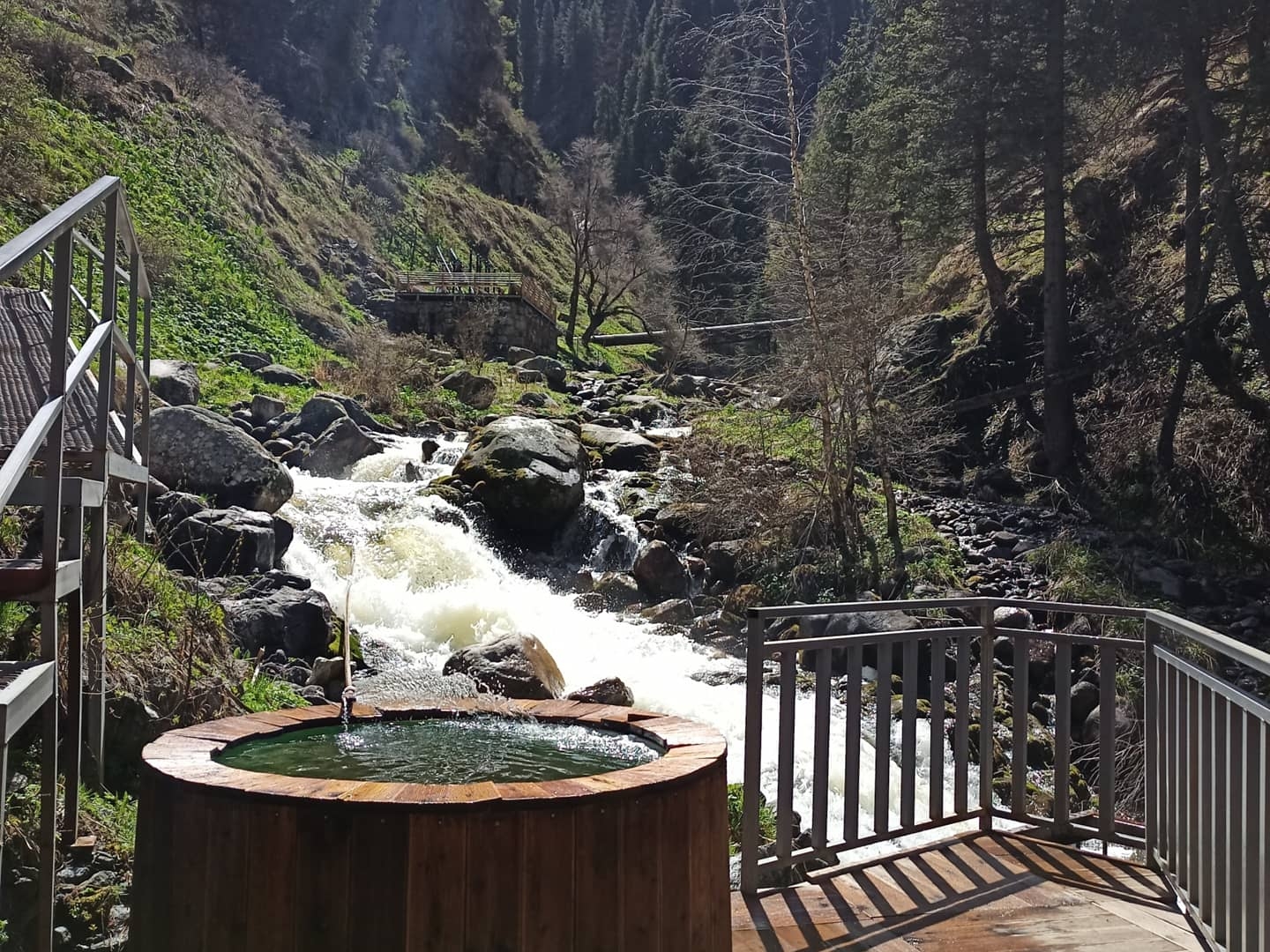
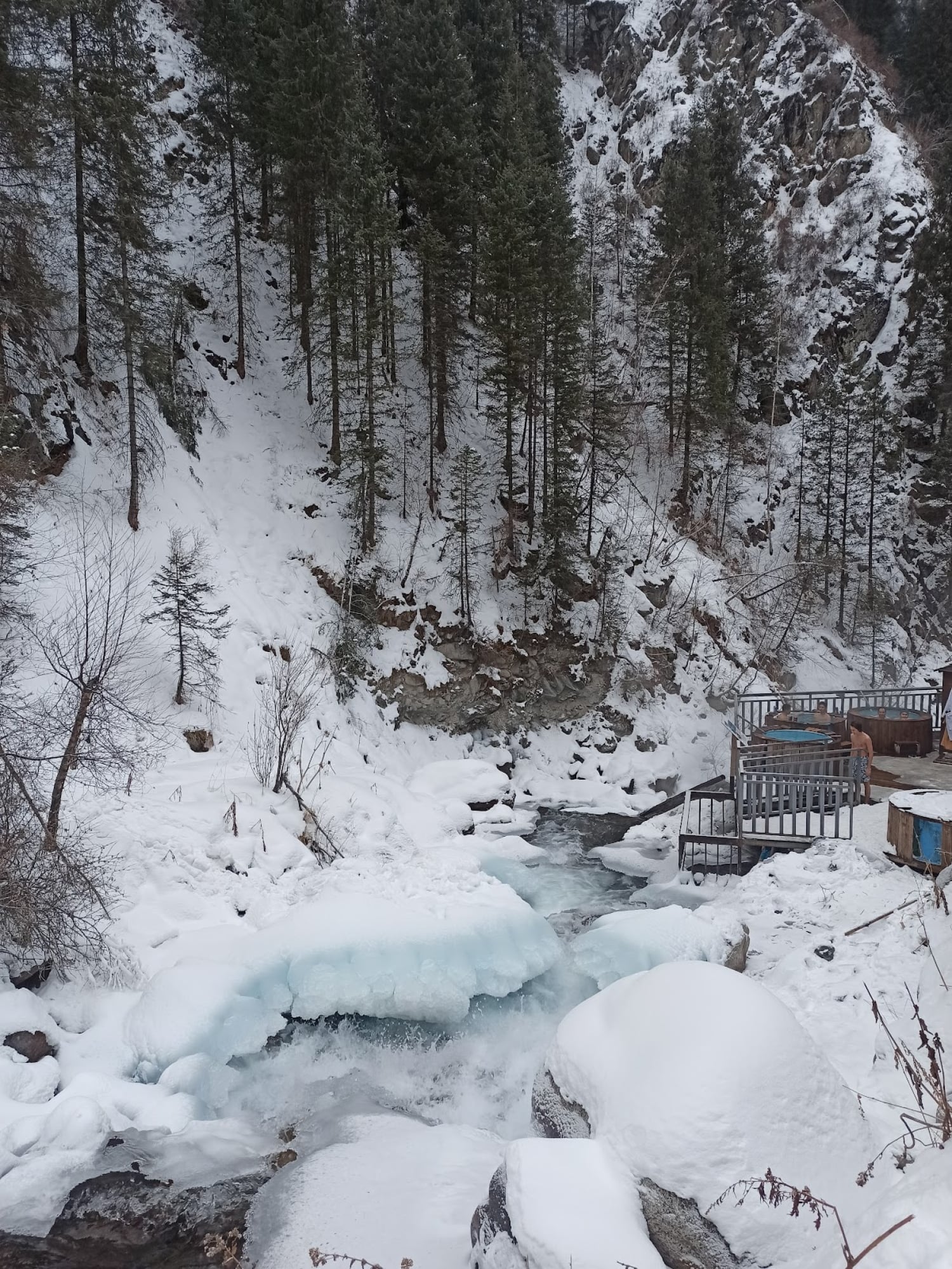
Radon spring “Alma-Arasan” is a public bath and spa in Almaty, Kazakhstan. Its defining feature is the connection between the Alma-Arasan name and a radon spring, with the venue presented as a place centred on bathing rather than dining, shopping or accommodation.
The public-bath format gives the venue a straightforward purpose. It is suited to visitors seeking a bathing-focused spa setting in Almaty. The category also distinguishes it from a conventional restaurant, hotel or standalone outdoor attraction. The experience is therefore associated with time spent at a bath and with the spa character indicated by the venue’s classification.
The name “Radon spring” identifies the spring as the central element of the venue’s identity. That name is reflected in the listing itself and provides the clearest description of what makes this public bath different from a general bathing facility. The venue can accordingly be understood as a place where the spring and the bath are closely connected in the way the destination is presented.
Alma-Arasan forms part of the venue name, while Almaty identifies its city setting. The location makes the public bath relevant to spa-focused itineraries in and around Almaty. The venue’s character is practical and bathing-led, with the public-bath category offering the main guide to its use.
Visitors considering the venue can approach it as a place for a public spa and bathing visit. The setting is not described through a particular cuisine, signature meal, accommodation style or entertainment programme. Its appeal instead rests on the simple combination of a named radon spring, a public bath format and a spa-oriented purpose.
Radon spring “Alma-Arasan” is best suited to visitors whose plans include a public bath or spa stop. It may also interest those exploring bathing venues associated with Almaty, although the available description supports the bath and spa identity more clearly than any additional facilities or activities. The venue’s identity remains focused, with the radon spring and public-bath classification providing the essential context.